
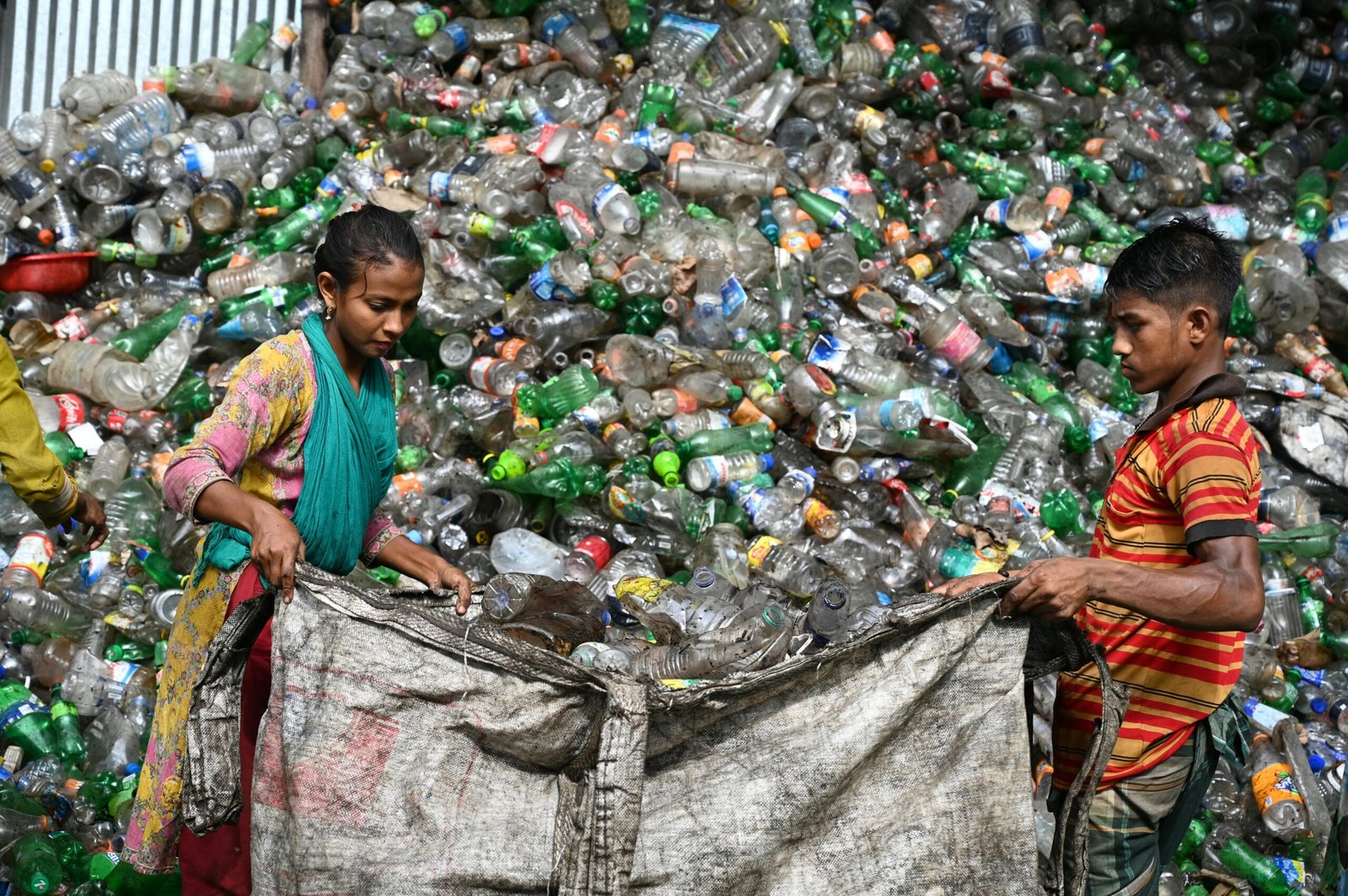
Environmental sustainability has become a global priority as industries, communities, and governments work to reduce waste and promote responsible resource management. Innovative recycling solutions are at the forefront of this transformation, providing structured systems that minimize environmental impact while maximizing material recovery. Within this evolving landscape, MataRecycler emerges as a concept centered on advanced recycling practices, smart waste management, and sustainable development.
Whether positioned as a digital recycling platform, a community-based waste management initiative, or a technology-driven environmental solution, MataRecycler represents progress toward a cleaner and more efficient future. By integrating sustainability principles with modern technology, MataRecycler supports circular economy practices that reduce landfill dependency and promote resource efficiency. This comprehensive guide explores MataRecycler’s meaning, features, applications, benefits, and long-term environmental potential.
Understanding the Concept and Vision of MataRecycler
The name “MataRecycler” suggests a structured, systematic approach to recycling. It implies efficiency, innovation, and forward-thinking environmental responsibility. In today’s world, waste management requires more than basic collection services; it demands organized systems that track, process, and repurpose materials effectively.
MataRecycler’s vision may focus on creating streamlined recycling processes that encourage participation from individuals, businesses, and communities. By combining environmental awareness with operational efficiency, MataRecycler supports sustainable practices that align with global climate goals.
A modern recycling system must emphasize transparency, accessibility, and measurable impact. MataRecycler can be positioned as a solution that not only manages waste but also educates and empowers users to make environmentally conscious decisions.
Advanced Recycling Solutions and Technology Integration
Technology plays a crucial role in modern recycling operations. MataRecycler could integrate smart waste tracking systems, automated sorting technology, and digital monitoring tools to improve efficiency. Such advancements reduce contamination, increase recovery rates, and lower operational costs.
Digital platforms connected to MataRecycler may provide real-time data on recycling performance, allowing businesses and communities to monitor progress. This data-driven approach ensures accountability and supports sustainability reporting.
Automation in recycling facilities enhances precision in sorting materials such as plastics, metals, paper, and glass. By incorporating innovative technology, MataRecycler can improve recycling outcomes while reducing environmental harm.
MataRecycler and the Circular Economy
The circular economy model aims to eliminate waste by keeping materials in use for as long as possible. MataRecycler aligns with this philosophy by promoting resource recovery and reuse. Instead of discarding materials after single use, recycling systems repurpose them into new products.
Businesses adopting MataRecycler principles can reduce raw material consumption and minimize carbon emissions. Community-level participation strengthens environmental responsibility and fosters collective impact. By integrating recycling into everyday practices, MataRecycler contributes to long-term sustainability.
Circular economy initiatives often require collaboration between manufacturers, consumers, and recycling facilities. MataRecycler can act as a bridge, facilitating efficient material flow and promoting eco-friendly production cycles.
Benefits of MataRecycler for Businesses and Communities
MataRecycler offers multiple advantages across sectors. For businesses, effective recycling reduces waste disposal costs and enhances corporate social responsibility. Demonstrating environmental commitment strengthens brand reputation and customer trust.
Communities benefit through cleaner environments, reduced landfill usage, and improved public awareness. Organized recycling systems decrease pollution and contribute to healthier living conditions.
Additional benefits may include:
-
Lower environmental footprint
-
Increased resource efficiency
-
Compliance with environmental regulations
-
Enhanced sustainability reporting
-
Economic opportunities through material recovery
By providing structured solutions, MataRecycler supports both environmental preservation and economic growth.
Eco-Friendly Practices and Environmental Impact
Sustainability requires actionable practices. MataRecycler could promote source separation of waste, composting initiatives, and public education campaigns. Encouraging individuals to sort recyclables at the point of disposal increases processing efficiency.
Reducing landfill waste decreases greenhouse gas emissions and conserves natural resources. Recycling aluminum, for example, requires significantly less energy than producing it from raw materials. Similar benefits apply to plastics and paper products.
Environmental impact measurement is critical. MataRecycler systems may track metrics such as waste diversion rates, carbon reduction, and energy savings. Transparent reporting builds credibility and demonstrates tangible progress.
Community Engagement and Awareness Programs
Effective recycling systems depend on active participation. MataRecycler can integrate awareness campaigns, workshops, and digital engagement platforms to educate users. Community involvement increases compliance and strengthens environmental culture.
Gamification and incentive programs may encourage participation. Reward systems for recycling milestones motivate individuals and organizations to maintain consistent efforts.
Educational initiatives also target younger generations, fostering long-term environmental responsibility. By building awareness, MataRecycler contributes to sustainable behavioral change.
Future Growth and Innovation Potential
The future of recycling lies in technological innovation and global collaboration. MataRecycler’s growth potential includes expansion into smart cities, integration with renewable energy systems, and partnerships with manufacturers committed to sustainable production.
Artificial intelligence and machine learning can further optimize material sorting and waste prediction models. Advanced analytics improve operational efficiency and reduce resource waste.
As environmental regulations become stricter, demand for efficient recycling solutions will increase. MataRecycler is well-positioned to adapt to evolving standards and emerging sustainability trends.
Conclusion
MataRecycler represents a forward-thinking approach to recycling and sustainability. By integrating advanced technology, circular economy principles, and community engagement, it provides structured solutions for modern waste management challenges. Businesses, communities, and individuals all benefit from organized recycling systems that reduce environmental impact and promote responsible resource use.
In a world where environmental preservation is essential, MataRecycler offers a pathway toward sustainable development and measurable progress. Through innovation, collaboration, and commitment, it supports a cleaner future and a stronger ecological balance.
Frequently Asked Questions (FAQ)
What is MataRecycler?
MataRecycler is envisioned as an advanced recycling and waste management solution focused on sustainability and environmental efficiency.
How does MataRecycler support the circular economy?
It promotes material recovery, reuse, and resource efficiency, reducing reliance on raw materials and minimizing waste.
Can businesses benefit from MataRecycler?
Yes, businesses can lower disposal costs, enhance sustainability reporting, and strengthen corporate social responsibility.
Does MataRecycler use modern technology?
Yes, it may integrate smart tracking systems, automated sorting, and data analytics to improve recycling performance.
What is the future outlook for MataRecycler?
With growing environmental awareness and technological innovation, MataRecycler has strong potential for expansion and long-term impact in sustainable waste management.