
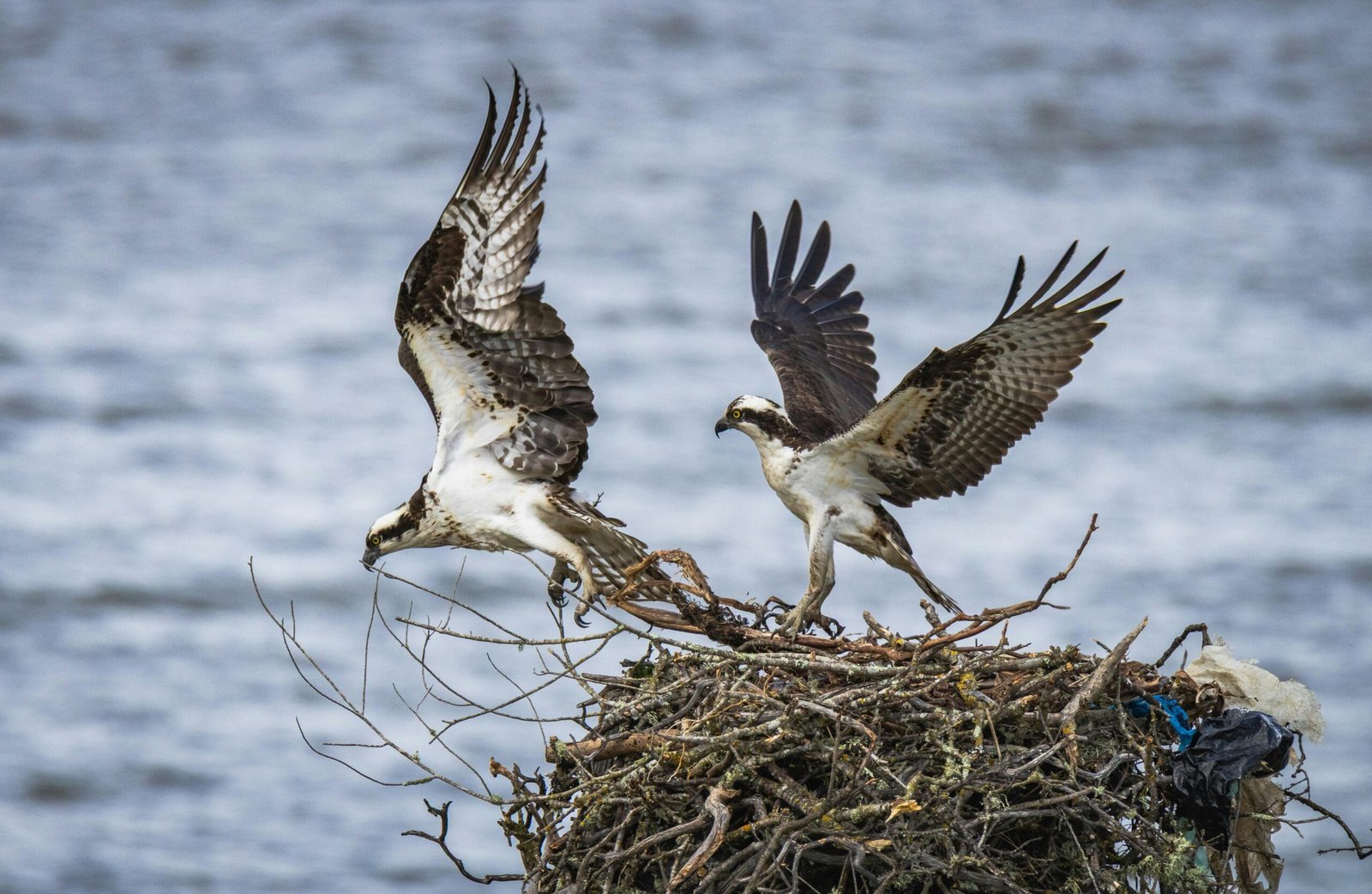
The Glaslyn Ospreys are one of the most celebrated wildlife success stories in the United Kingdom. Located in the heart of North Wales, near the stunning landscapes of Snowdonia, these magnificent birds of prey have captured the attention of nature lovers, birdwatchers, and conservationists from around the world. The return of ospreys to the Glaslyn Valley marked a significant milestone in British wildlife conservation, symbolizing hope for species once pushed to the brink of extinction in the UK. Today, the Glaslyn Ospreys nest attracts thousands of visitors annually and even more online viewers through live nest cameras that provide real-time glimpses into their breeding season. This comprehensive guide explores the history, habitat, conservation efforts, live nest updates, and visitor information related to the Glaslyn Ospreys, offering everything you need to know about this extraordinary wildlife phenomenon.
The History of the Glaslyn Ospreys
The story of the Glaslyn Ospreys begins with a remarkable comeback. Ospreys were once native to the United Kingdom but became extinct as breeding birds in the early 20th century due to persecution and egg collection. For decades, these powerful fish-eating raptors were absent from British skies. However, conservation efforts in Scotland during the mid-20th century gradually helped restore osprey populations, paving the way for their expansion into other parts of the UK.
In 2004, a pair of ospreys established a nest in the Glaslyn Valley, marking the species’ return to Wales after centuries of absence. This event was historic, as it represented the first breeding pair of ospreys in Wales in over 400 years. The nesting site quickly gained attention, and conservationists worked tirelessly to protect the birds from disturbance and potential threats. Since then, the Glaslyn Ospreys have successfully raised numerous chicks, strengthening the population and inspiring nationwide interest in raptor conservation.
Location and Habitat in North Wales
The Glaslyn Ospreys are located near the Glaslyn River, close to Porthmadog in Gwynedd, North Wales. The area lies within the spectacular scenery of Snowdonia National Park, known for its mountains, estuaries, and rich biodiversity. This environment provides ideal conditions for ospreys, which require access to clean, fish-rich waters and tall structures for nesting.
Ospreys typically build large nests high in trees or on specially constructed platforms. In the Glaslyn Valley, conservationists installed nesting platforms to encourage safe breeding. The surrounding estuary and river system provide an abundant supply of fish, which forms the primary diet of the Glaslyn Ospreys. Their ability to hover above water before diving dramatically to catch fish makes them one of the most fascinating birds to observe.
The combination of protected habitat, supportive conservation measures, and natural food sources has allowed the Glaslyn Ospreys to thrive in this region.
Glaslyn Ospreys Live Cam and Nest Updates
One of the main reasons for the widespread popularity of the Glaslyn Ospreys is the availability of a live nest camera. The Glaslyn Ospreys live cam allows viewers from around the world to watch the birds during the breeding season, typically from spring to late summer. Through these live nest updates, people can observe egg laying, incubation, chick hatching, feeding routines, and fledging.
This digital access has significantly increased public engagement with wildlife conservation. Schools, families, and birdwatchers regularly tune in to follow the progress of each breeding season. The live cam not only offers educational value but also fosters emotional connections between viewers and the birds. Watching a chick grow from a tiny hatchling into a fully fledged osprey capable of migration is an unforgettable experience.
These live updates also help conservation teams monitor the health and safety of the nest, ensuring rapid response in case of emergencies.
Breeding Season and Migration Patterns
The breeding season of the Glaslyn Ospreys typically begins in early spring when adult birds return from their winter migration in Africa. Ospreys are long-distance migrants, traveling thousands of miles between Africa and the UK each year. Their remarkable navigational skills allow them to return to the same nesting site season after season.
Once reunited, the breeding pair repairs and strengthens the nest before the female lays eggs, usually between April and May. After an incubation period of around 35 to 40 days, chicks hatch and remain in the nest for several weeks. Both parents share feeding responsibilities, delivering freshly caught fish to sustain their growing offspring.
By late summer, the young ospreys fledge and eventually embark on their first migration journey. This period is both exciting and nerve-wracking for observers, as it marks the beginning of the young birds’ independent lives.
Conservation Efforts and Wildlife Success Story
The success of the Glaslyn Ospreys would not have been possible without dedicated conservation efforts. Local wildlife organizations and volunteers have played a crucial role in monitoring the nest, educating the public, and ensuring habitat protection. Security measures have been implemented to prevent disturbances, and ongoing research helps track migration routes and survival rates.
The Glaslyn Ospreys are widely regarded as a wildlife success story in North Wales. Their return demonstrates how careful conservation planning, public awareness, and habitat management can reverse species decline. The project has also boosted eco-tourism in the region, drawing visitors who contribute to the local economy while learning about environmental stewardship.
The presence of these birds serves as a reminder that conservation efforts can yield tangible, inspiring results.
Visitor Information and Birdwatching Experience
For those wishing to see the Glaslyn Ospreys in person, a dedicated visitor center operates during the breeding season. Located near the nest site, the center provides educational displays, knowledgeable volunteers, and telescopes for safe viewing. Visitors can learn about osprey biology, migration routes, and conservation achievements.
The surrounding area offers scenic walking trails and stunning views of Snowdonia, making a trip to the Glaslyn Valley a rewarding experience for nature enthusiasts. Birdwatchers often combine their visit with exploration of other wildlife habitats in North Wales, enhancing the overall adventure.
Planning a visit during the breeding season increases the chances of witnessing feeding activity and chick development, though patience is often required when observing wildlife.
Conclusion
The story of the Glaslyn Ospreys stands as one of the most inspiring examples of wildlife restoration in the United Kingdom. From their historic return to Wales in 2004 to the thriving nest that now draws global attention, these magnificent birds symbolize resilience and the power of conservation. With their breathtaking fishing dives, long-distance migrations, and nurturing parenting behaviors, the Glaslyn Ospreys captivate audiences both online and in person. Through live nest cameras, dedicated conservation efforts, and public engagement, this wildlife success story continues to inspire future generations. Whether you are a birdwatcher, conservation supporter, or curious traveler, the Glaslyn Ospreys offer an unforgettable glimpse into the beauty and importance of protecting our natural world.
Frequently Asked Questions (FAQ)
1. Where are the Glaslyn Ospreys located?
The Glaslyn Ospreys are located in the Glaslyn Valley near Porthmadog in North Wales, within Snowdonia National Park.
2. When is the Glaslyn Ospreys breeding season?
The breeding season typically runs from spring through late summer, with chicks hatching in early summer.
3. Can I watch the Glaslyn Ospreys live?
Yes, a live nest camera operates during the breeding season, allowing viewers worldwide to watch nest activity.
4. Why are the Glaslyn Ospreys important?
They represent the first breeding ospreys in Wales in over 400 years and are a major conservation success story.
5. Do the Glaslyn Ospreys migrate?
Yes, they migrate annually between the UK and Africa.
6. Can visitors see the nest in person?
Yes, a visitor center provides safe viewing opportunities during the breeding season.