
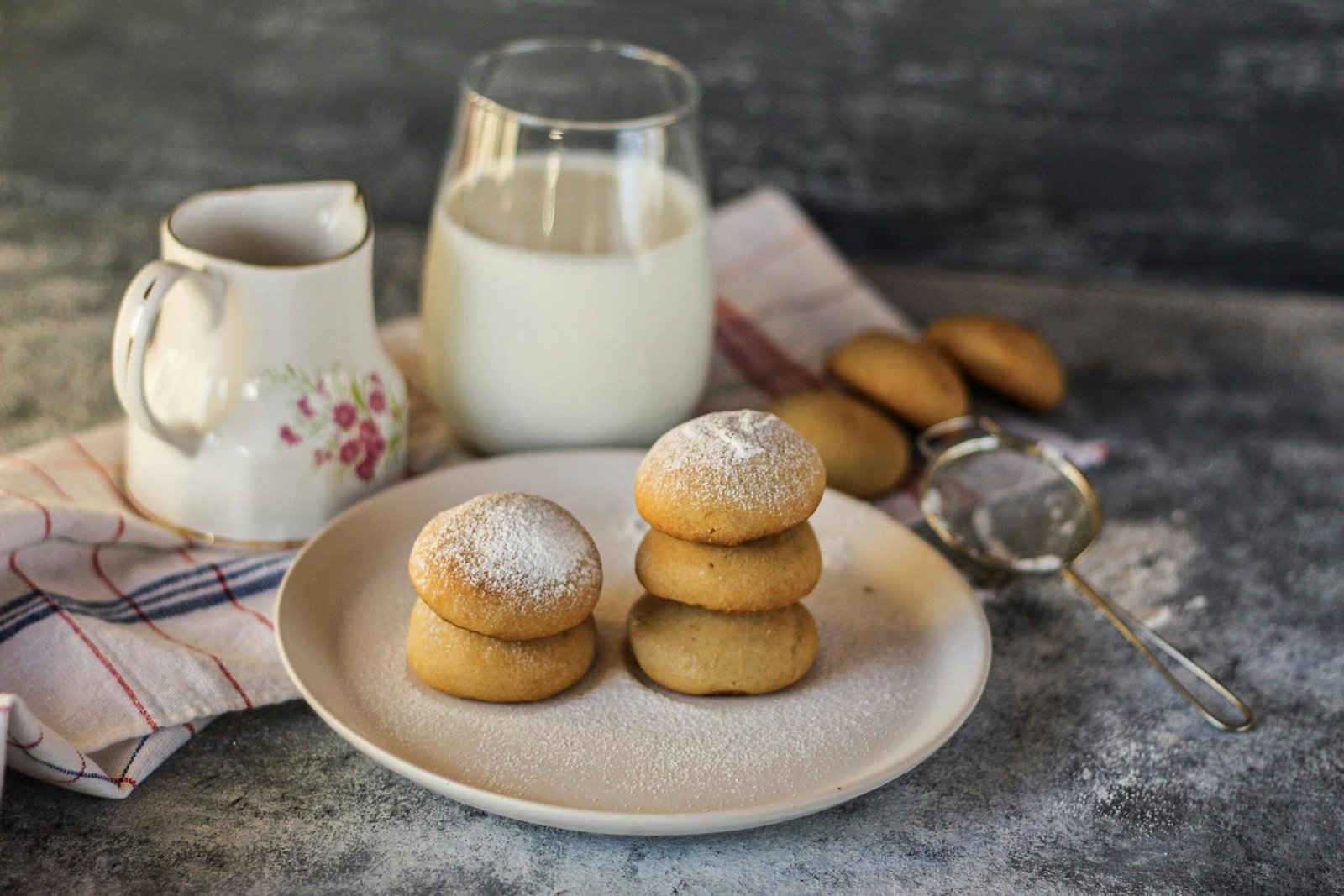
In the world of baking and dessert preparation, few ingredients are as versatile and essential as icing sugar sugar. Commonly known as powdered sugar or confectioners’ sugar, this finely ground sweetener plays a crucial role in creating smooth textures, delicate decorations, and irresistible flavors. Whether used in frosting, dusting, or glazes, icing sugar transforms ordinary desserts into visually appealing and delicious masterpieces. Understanding its properties, uses, and differences from other types of sugar allows us to achieve professional-quality results in both home and commercial kitchens.
What is Icing Sugar?
Icing sugar is a finely ground form of sugar mixed with a small amount of anti-caking agent, usually cornstarch, to prevent clumping. Its soft, powdery texture allows it to dissolve instantly, making it ideal for recipes that require smooth consistency.
Unlike granulated sugar, icing sugar blends seamlessly into mixtures, ensuring a silky finish in frostings, icings, and desserts. This unique characteristic makes it indispensable in baking and confectionery.
How Icing Sugar is Made
The production of icing sugar involves grinding regular sugar into a fine powder. During this process, an anti-caking agent is added to maintain its free-flowing texture. This ensures that the sugar does not form lumps, even when stored for extended periods.
Commercially produced icing sugar is carefully processed to achieve uniform particle size, which contributes to consistent results in recipes.
Types of Icing Sugar
Icing sugar is available in different grades, each suited for specific uses:
- Pure icing sugar: Contains only sugar and is ideal for delicate recipes
- Icing sugar mixture: Includes cornstarch to prevent clumping
- Organic icing sugar: Made from natural sources without additives
Choosing the right type depends on the desired texture and application.
Icing Sugar vs Granulated Sugar
The primary difference between icing sugar and granulated sugar lies in texture and usage. Granulated sugar has larger crystals, making it suitable for general cooking and baking. In contrast, icing sugar’s fine texture allows it to dissolve instantly, making it perfect for smooth finishes.
Key differences include:
- Texture: Powdery vs coarse
- Solubility: Instant vs gradual
- Usage: Decoration and frosting vs general cooking
Understanding these differences helps us select the appropriate sugar for each recipe.
Common Uses of Icing Sugar
Icing sugar is widely used in a variety of culinary applications:
1. Frosting and Icing
It is the primary ingredient in buttercream and other frostings, providing a smooth and creamy texture.
2. Dusting and Decoration
A light sprinkle of icing sugar enhances the appearance of cakes, pastries, and desserts.
3. Glazes and Sauces
Its quick-dissolving nature makes it ideal for creating glossy glazes.
4. Whipped Cream and Desserts
It blends easily into whipped cream, adding sweetness without graininess.
5. Baking Recipes
Used in cookies, cakes, and meringues for a fine, delicate texture.
How to Make Icing Sugar at Home
Making icing sugar at home is simple and requires only a blender or food processor. We grind granulated sugar until it becomes a fine powder, then add a small amount of cornstarch to prevent clumping. This method is cost-effective and ensures freshness.
Benefits of Using Icing Sugar
- Smooth texture in recipes
- Quick dissolving properties
- Enhanced visual appeal of desserts
- Versatility across various recipes
These benefits make icing sugar a preferred choice for both amateur and professional bakers.
Common Mistakes to Avoid
- Using icing sugar in recipes that require structural stability
- Storing it in humid conditions, leading to clumping
- Substituting it incorrectly for granulated sugar
Avoiding these mistakes ensures better results in baking.
Storage Tips for Icing Sugar
Proper storage is essential to maintain quality. Keep icing sugar in an airtight container in a cool, dry place. This prevents moisture absorption and preserves its fine texture.
Creative Uses of Icing Sugar
Beyond traditional baking, icing sugar can be used creatively:
- Decorating coffee and beverages
- Creating intricate stencil designs on desserts
- Enhancing presentation of plated dishes
These creative applications add elegance and visual appeal.
Conclusion
Icing sugar is an indispensable ingredient in baking and dessert preparation, offering unmatched versatility and convenience. Its fine texture, quick solubility, and ability to enhance both flavor and presentation make it a staple in kitchens worldwide. By understanding its properties, uses, and proper handling, we can elevate our culinary creations and achieve professional-quality results. Whether preparing simple desserts or elaborate confections, icing sugar remains a key component in achieving perfection.
Frequently Asked Questions (FAQ)
1. What is icing sugar used for?
It is used for frosting, decoration, glazes, and desserts.
2. Can I substitute icing sugar for granulated sugar?
Only in certain recipes, as it affects texture and consistency.
3. How do I prevent icing sugar from clumping?
Store it in a dry, airtight container.
4. Is icing sugar the same as powdered sugar?
Yes, they are the same product with different names.
5. Can I make icing sugar at home?
Yes, by grinding granulated sugar into a fine powder.