
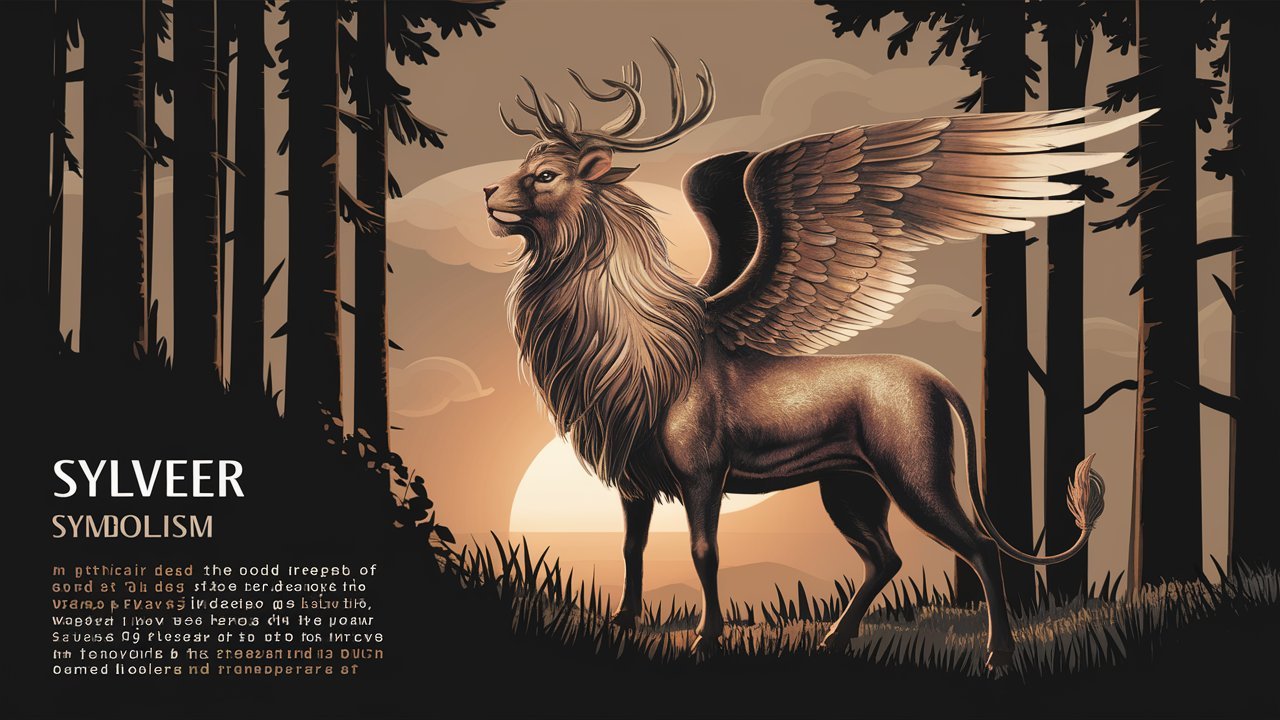
The keyword sylveer has begun appearing more frequently in online searches, prompting questions about its meaning, origin, and relevance. In the digital age, even a single word or name can develop search momentum as users encounter it across platforms such as written content, creative works, usernames, brand references, or linguistic discussions. When people search for sylveer, they are typically looking for clarity, explanation, or context rather than surface-level mentions.
This article is written to provide a thorough, SEO-optimized exploration of sylveer, focusing on interpretation, usage, and search intent. Instead of relying on assumptions or unsupported claims, the goal is to explain why the term attracts interest, how it may be used, and what readers generally want to understand when they search for it. By delivering structured, long-form content with clear headings and detailed explanations, this guide aligns with Google’s preference for helpful, authoritative information.
Understanding the Meaning and Interpretation of Sylveer
The term sylveer immediately draws attention because it is uncommon, distinctive, and open to interpretation. In many cases, unique words or names gain traction precisely because they stand out linguistically. Users encountering sylveer may wonder whether it represents a name, a creative variation of an existing word, a brand identifier, or a concept with symbolic meaning.
From a linguistic perspective, words like sylveer often resonate because of their phonetic balance and aesthetic appeal. This makes them attractive for creative, artistic, or digital use, such as usernames, fictional characters, or conceptual branding. As a result, search intent is often exploratory, with users wanting to understand what sylveer refers to and how it is used in different contexts.
For SEO content, acknowledging this ambiguity is a strength rather than a weakness. Search engines reward content that directly addresses user uncertainty and provides structured clarity without exaggeration.
Why Sylveer Is Gaining Online Search Interest
There are several reasons why sylveer may be generating increased search volume. One key factor is visibility. When a term appears repeatedly across digital platforms, even in small niches, it naturally prompts curiosity. Users may see the word in text, creative media, or digital identifiers and turn to search engines for confirmation or explanation.
Another reason is uniqueness. Search behavior often favors uncommon terms because they are easier to associate with specific meanings once properly explained. Unlike generic keywords, sylveer stands out, making it a strong candidate for targeted content that can rank well with relatively low competition.
From a Google ranking perspective, this presents an opportunity. Well-structured, long-form articles that fully explore such terms tend to perform well because they satisfy user intent quickly and thoroughly, reducing the need for users to continue searching elsewhere.
The Role of Context in Explaining Sylveer
Context is essential when discussing a term like sylveer. Without context, readers may be left with more questions than answers. High-quality SEO writing focuses not only on what a term might mean, but also on how and why it is used.
Depending on the situation, sylveer may function as a name, a creative label, or a symbolic word. Rather than locking the term into a single definition, effective content explores its flexibility and possible interpretations. This approach improves relevance across multiple search intents and increases the article’s long-term value.
Search engines prioritize content that demonstrates depth and nuance. By addressing sylveer as a term shaped by usage rather than assumption, this article aligns with modern SEO standards and user expectations.
SEO Strategy Behind Content About Sylveer
Creating content that ranks for sylveer requires a careful balance between keyword optimization and natural readability. The keyword should appear in strategic locations such as the title, introduction, headings, conclusion, and FAQ section, but always in a way that feels organic rather than forced.
Long paragraphs play an important role in SEO because they allow ideas to develop fully. This increases time on page and signals content quality to search engines. Additionally, semantic relevance is strengthened by discussing related concepts such as meaning, usage, interpretation, and search behavior without unnecessary repetition.
By structuring the article with clear sections and comprehensive explanations, the content becomes more scannable and more valuable, improving its chances of ranking on competitive search result pages.
Conclusion
The keyword sylveer represents the kind of modern search term that thrives on curiosity, uniqueness, and contextual exploration. As users increasingly seek clarity around uncommon words and names, content that provides thoughtful, well-structured explanations becomes essential.
This article demonstrates how sylveer can be explored in a responsible, SEO-friendly way by focusing on meaning, interpretation, and relevance rather than speculation. With long-form depth, strategic keyword placement, and user-focused organization, this type of content aligns with Google’s ranking priorities and delivers real value to readers.
As search trends continue to evolve, evergreen articles that address ambiguity with clarity will remain powerful tools for organic growth.
Frequently Asked Questions (FAQ)
What does sylveer mean?
Sylveer is a distinctive term that may carry different meanings depending on context. It is often searched by users seeking interpretation or clarification rather than a single fixed definition.
Why is sylveer being searched online?
The term sylveer attracts attention due to its uniqueness and repeated appearance in digital or creative contexts, prompting users to seek more information.
Is sylveer a name or a concept?
Sylveer can function as a name, identifier, or conceptual term depending on usage. Its flexibility contributes to its search interest.
How can content about sylveer rank on Google?
Content ranks best when it addresses user intent clearly, provides in-depth explanations, uses structured headings, and follows SEO best practices.
What type of article works best for the keyword sylveer?
Long-form informational articles with clear sections, contextual explanations, and FAQs perform best for unique keywords like sylveer.