
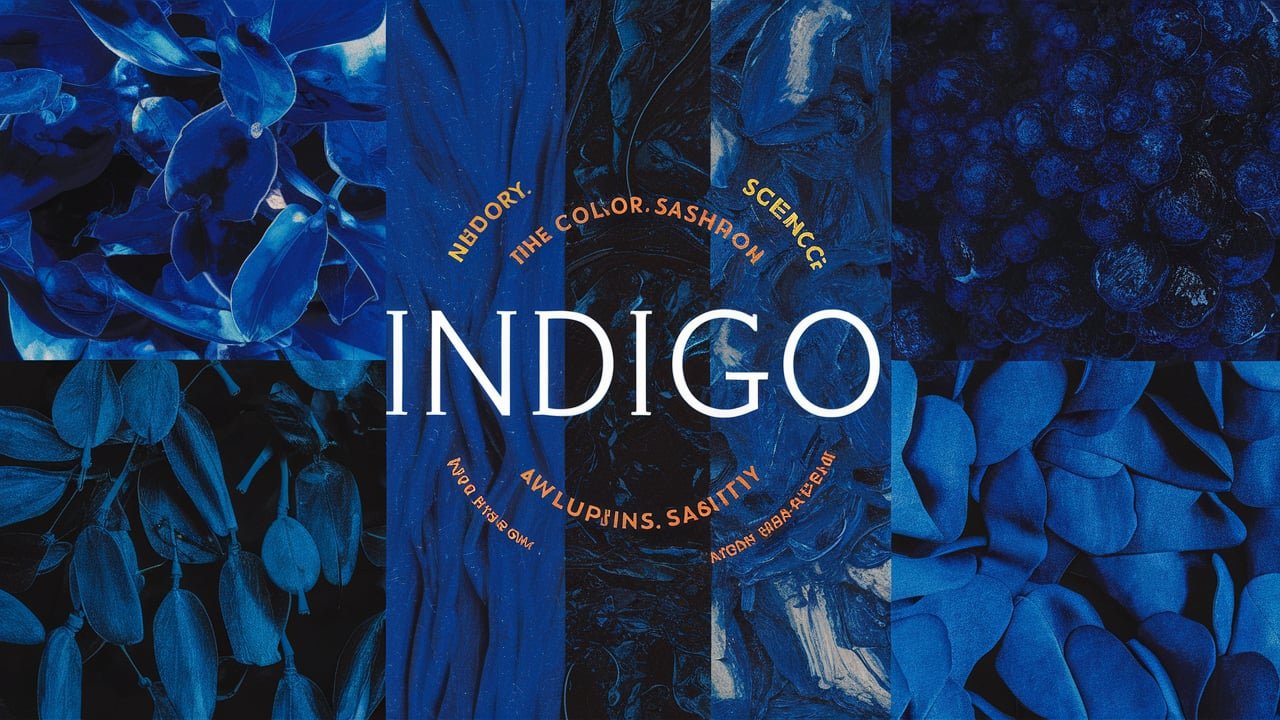
Coloration indigo is one of the most fascinating and enduring color phenomena in human history, bridging the worlds of art, science, culture, and industry. Recognized for its deep blue-violet hue, indigo coloration has captivated civilizations for thousands of years and continues to play a critical role in modern design, textiles, psychology, and visual communication. We explore coloration indigo in comprehensive detail, examining its origins, scientific properties, symbolic meaning, and contemporary uses.
This article provides an authoritative and detailed exploration of coloration indigo, structured to deliver clarity, depth, and keyword-rich content that aligns with advanced search intent and modern informational needs.
Understanding Coloration Indigo: Definition and Visual Characteristics
Coloration indigo refers to a deep, rich color positioned between blue and violet on the visible spectrum. Characterized by its intense saturation and cool undertones, indigo coloration evokes depth, calm, and intellectual resonance. Unlike lighter blues, indigo coloration possesses a sense of gravity and refinement that distinguishes it in visual applications.
In terms of hue perception, coloration indigo absorbs more light than standard blue, creating a darker, more complex visual experience. This distinctive quality makes indigo a preferred choice in fields requiring visual authority and emotional depth.
The Science Behind Coloration Indigo
From a scientific perspective, coloration indigo occupies wavelengths approximately between 420 and 450 nanometers on the electromagnetic spectrum. This positioning explains its placement between blue and violet and contributes to its unique optical properties.
The pigment responsible for indigo coloration, historically derived from plant sources such as Indigofera tinctoria, contains molecules that reflect shorter wavelengths of light. Modern synthetic indigo replicates these properties with remarkable accuracy, ensuring consistency and durability across industrial applications. The chemistry of coloration indigo also explains its exceptional resistance to fading when properly fixed, particularly in textile dyeing.
Historical Significance of Coloration Indigo
Coloration indigo holds profound historical importance, dating back over 6,000 years. Ancient civilizations in India, Egypt, and Mesopotamia cultivated indigo plants to extract dye for clothing, ceremonial garments, and trade commodities. Indigo was so valuable that it was often referred to as “blue gold,” shaping global trade routes and economic systems.
During the medieval period, indigo coloration symbolized status and wealth in Europe, where its importation was tightly regulated. The enduring presence of indigo across cultures demonstrates its universal appeal and functional superiority compared to other natural dyes.
Coloration Indigo in Art and Design
In art and design, coloration indigo is celebrated for its versatility and emotional impact. Artists utilize indigo to convey introspection, mystery, and sophistication, while designers incorporate it to establish visual hierarchy and contrast.
Interior design frequently employs indigo coloration to create calming yet authoritative spaces, particularly in environments associated with focus and contemplation. Graphic designers favor indigo for its ability to balance vibrancy with seriousness, making it ideal for branding, editorial layouts, and digital interfaces.
Coloration Indigo in Textile and Fashion Industries
The textile industry remains one of the most prominent users of coloration indigo, particularly in denim production. Indigo-dyed denim owes its iconic aesthetic to the dye’s unique property of adhering to the surface of fibers rather than fully penetrating them, allowing fabrics to develop character over time.
In fashion, indigo coloration is synonymous with durability, authenticity, and timeless appeal. Designers value indigo for its adaptability across seasons and styles, from traditional garments to contemporary haute couture.
Psychological and Emotional Effects of Coloration Indigo
Psychologically, coloration indigo is associated with intuition, perception, and mental clarity. It is believed to promote calmness while stimulating higher thought processes, making it a preferred color in educational and meditative environments.
Color psychology studies suggest that indigo coloration fosters trust and introspection, qualities that contribute to its widespread use in corporate branding and professional settings. The balance between tranquility and authority sets indigo apart from other blue tones.
Coloration Indigo in Modern Technology and Media
In digital media, coloration indigo has gained renewed importance due to advancements in display technology and color calibration. Indigo provides strong contrast without the visual strain associated with darker colors, making it effective for user interfaces and night-mode designs.
Technology brands increasingly incorporate indigo coloration to convey innovation, reliability, and depth. Its visual stability enhances user experience while reinforcing brand credibility.
Symbolism and Cultural Meaning of Coloration Indigo
Across cultures, coloration indigo symbolizes wisdom, spirituality, and transformation. In Eastern traditions, indigo is linked to insight and inner awareness, while in Western contexts it often represents integrity and discipline.
The symbolic power of indigo coloration contributes to its enduring presence in ceremonial attire, artistic expression, and cultural narratives. Its meaning evolves while maintaining core associations of depth and authenticity.
Sustainability and the Future of Coloration Indigo
As sustainability becomes a global priority, coloration indigo is at the center of innovation in eco-friendly dyeing practices. Researchers are developing biodegradable and low-impact indigo dyes that preserve traditional aesthetics while reducing environmental harm.
The future of indigo coloration lies in balancing heritage with innovation, ensuring its continued relevance in responsible production and conscious design.
Conclusion: The Enduring Power of Coloration Indigo
Coloration indigo stands as a timeless and multifaceted color that transcends trends and disciplines. From ancient dyeing traditions to modern digital applications, indigo continues to define depth, intelligence, and cultural richness.
By understanding the science, history, and emotional resonance of coloration indigo, we gain insight into why it remains one of the most influential colors in human expression. Its adaptability and symbolic strength ensure that indigo will remain relevant for generations to come.
Frequently Asked Questions About Coloration Indigo
What is coloration indigo?
Coloration indigo is a deep blue-violet hue positioned between blue and violet on the color spectrum, known for its richness and durability.
Where does indigo coloration come from?
Historically, indigo coloration was derived from plant-based dyes, while modern versions are often synthetically produced for consistency.
Why is indigo important in textiles?
Indigo coloration is prized in textiles for its strength, fade resistance, and unique aging characteristics, especially in denim.
What does indigo symbolize?
Coloration indigo symbolizes wisdom, intuition, integrity, and depth across many cultures.
Is indigo still relevant today?
Yes, indigo coloration remains highly relevant in fashion, design, technology, and sustainable innovation due to its versatility and timeless appeal.